Prosperous Software Movement
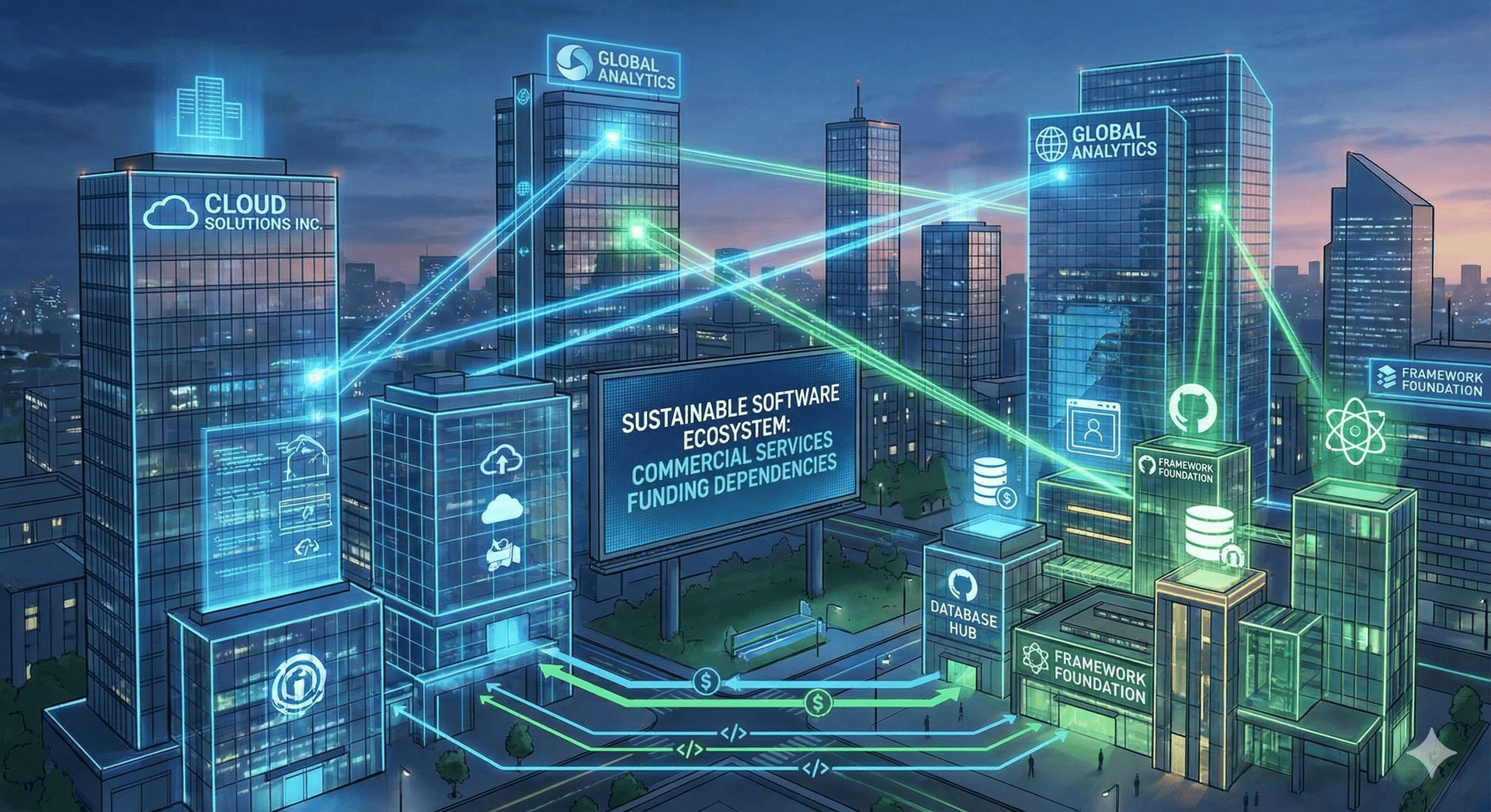
Bringing sustainable funding to public goods by revenue-sharing towards dependencies
This is a copy of a two-part post on the Optimism Governance Forum. You can find the original post here.
Season 7 budgeted 8 million OP to open source developer tooling.
This analysis looks in detail at three questions:
This is a copy of a two-part post on the Optimism Governance Forum. You can find the original post here.
Season 7 budgeted 8 million OP to Onchain Builders across the Superchain.
This analysis looks in detail at three questions:
The first (of six) periods of rewards for Season 7 Retro Funding were just announced. Here's the official post; you can view the results on OP Atlas. This marks a significant milestone in Optimism’s journey toward scalable, transparent, and data-driven token allocations.
At OSO, we’ve been fortunate to support this journey since RetroPGF 3—building open data infrastructure, surfacing impact metrics, and helping the community make sense of complex funding decisions. With Season 7, we’ve taken a more active role: implementing the evaluation algorithms that determine how funding is allocated.
Over 2024, OSO's technical architecture went through several major iterations to get to where it is now. There are so many different ways to architect data infrastructure, that the choices can be overwhelming. Every platform will say they provide what you think you need, and none of them will do everything you actually need. In this post, we'll share the choices that OSO made along the way and the pros and cons of each decision.
We're excited to introduce Pyoso, a new Python library that makes it easy to query and analyze open source software data and metrics from OSO. Whether you're a data scientist, researcher, or builder, Pyoso gives you direct access to all our production data sets from your favorite analysis environment.
No need to manage infrastructure or wrangle database credentials. Just install the package, authenticate with your free API key, and start querying!
Octant is an important funding partner for OSO and dozens of other open source projects in the Ethereum ecosystem. Since 2023, Octant has contributed approximately $5 million (in ETH) to over 60 projects.
Octant has a novel way of funding open source. Users of the Octant platform lock GLM tokens into a staking contract. In exchange, they gain voting rights and earn ETH rewards. Every quarter, Octant runs an "epoch" where users get to allocate a portion of their staking rewards to projects they care about. This allocation determines how a larger staking pool from the Golem Foundation is allocated across a set of projects.
In 2024, Octant supported 47 open source software teams across four epochs. The funded projects have been diverse in scope, ranging from privacy-focused tools like Tor to ecosystem analytics platforms like L2Beat to up-and-coming organizations like the GreenPill Developer Guild.
This post explores some high-level trends in developer activity over the past year. As these projects have different missions and objectives (and not all are open source software projects), one should not attempt to directly compare their impact or productivity. Nonetheless, we hope these insights can highlight ongoing contributions, identify growth areas, and provide additional context on what each project has been up to.

OSO is partnering with Gitcoin to enhance data infrastructure and analytics capabilities on top of Grants Stack.
The goal is to make it easy for developers, researchers, and community members to connect Gitcoin Grants' data with any of OSO's public datasets. In doing so, we hope to streamline data engineering, improve donor transparency, and enable more data-driven decision-making for the Gitcoin ecosystem.
This post shows how you can use OSO to:
This is the final post in our Opening up the Ballot Box series for 2024. Changes planned for Retro Funding 2025 will likely reshape how we analyze voting behavior.
In RF6, our results (as an organization) reflected a critical issue with Retro Funding in its current form: subjective visibility often outweighs measurable, long-term impact.
We had two project submissions:
We are humbled by the support for our Insights & Data Science work. Retro Funding has made our work at OSO possible, and we are deeply grateful for this affirmation. But we can’t ignore the underlying signal: the work that is most visible-—like reports, frontends, and ad hoc analysis—-tends to receive higher funding than work that delivers deeper, longer-term impact.
Open-source projects power innovation across industries, yet they often face a significant challenge: securing sustainable funding. Retroactive funding offers a promising solution by rewarding impactful contributions based on past results, but today’s retro funding rounds are complex, time-consuming, and infrequent, making them unreliable sources of support for public goods.
This inspired us to build AutoRF during ETHGlobal San Francisco 2024. AutoRF makes retroactive funding continuous, simple, and scalable by removing the barriers that hold current models back.